The Future of Urban Farming in Hyderabad: 6-Foot High-Quality 0.5 cm Thick Vertical Hydroponic Towers
Introduction
Hyderabad is rapidly evolving into one of India’s most modern and technology-driven cities. As residential communities expand and urban spaces become increasingly compact, many residents are searching for innovative ways to grow fresh vegetables at home. Traditional gardening often requires large plots of land, significant water usage, and ongoing maintenance, making it challenging for city dwellers.
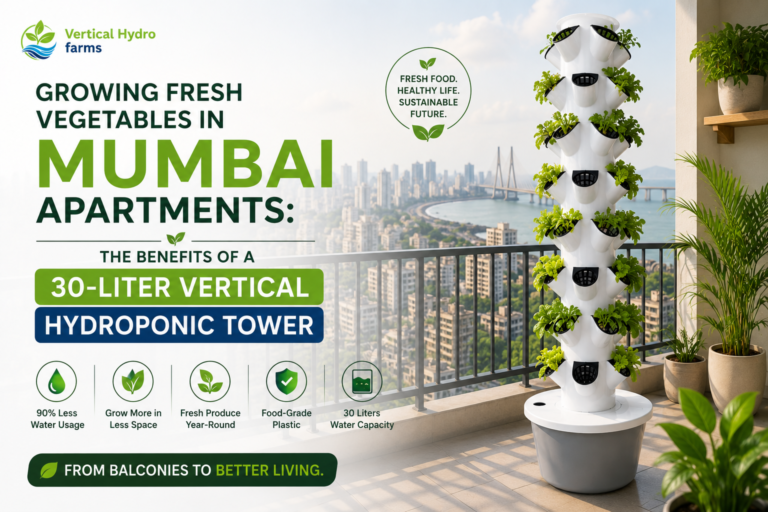
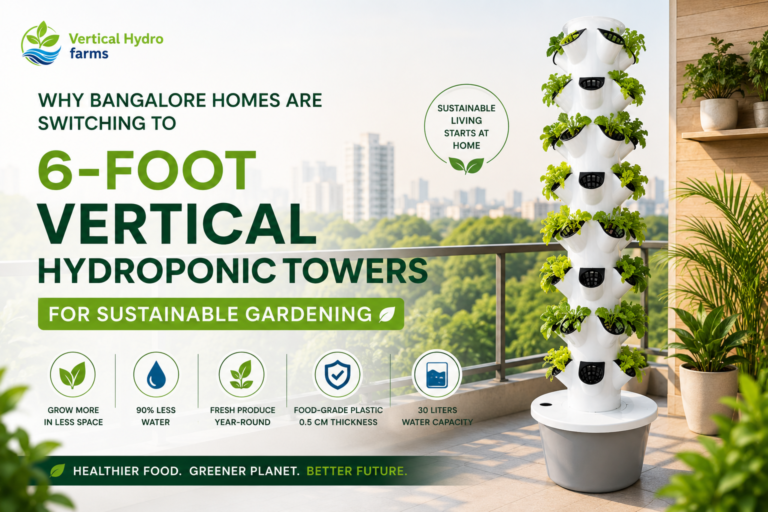
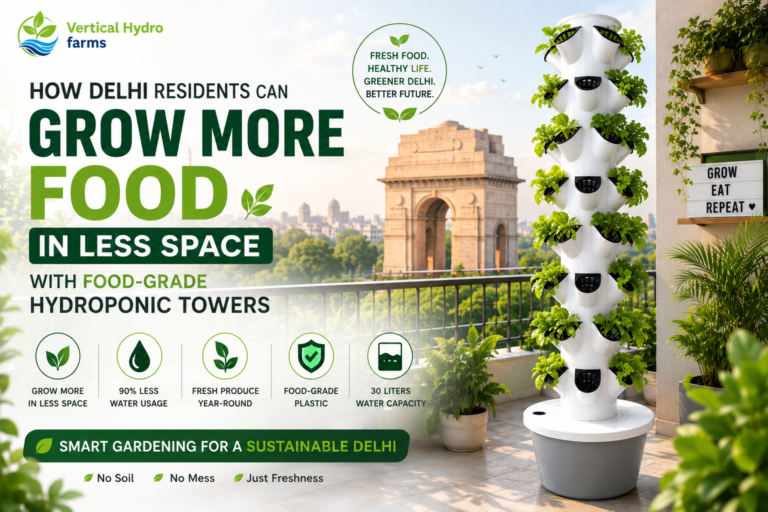
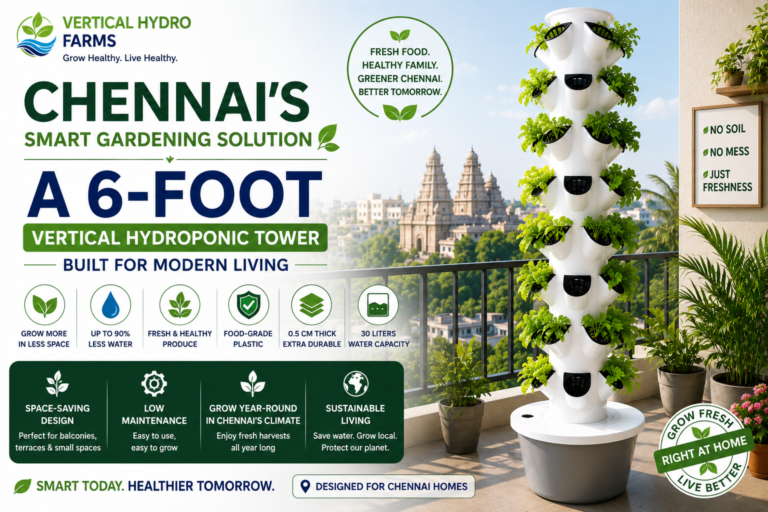
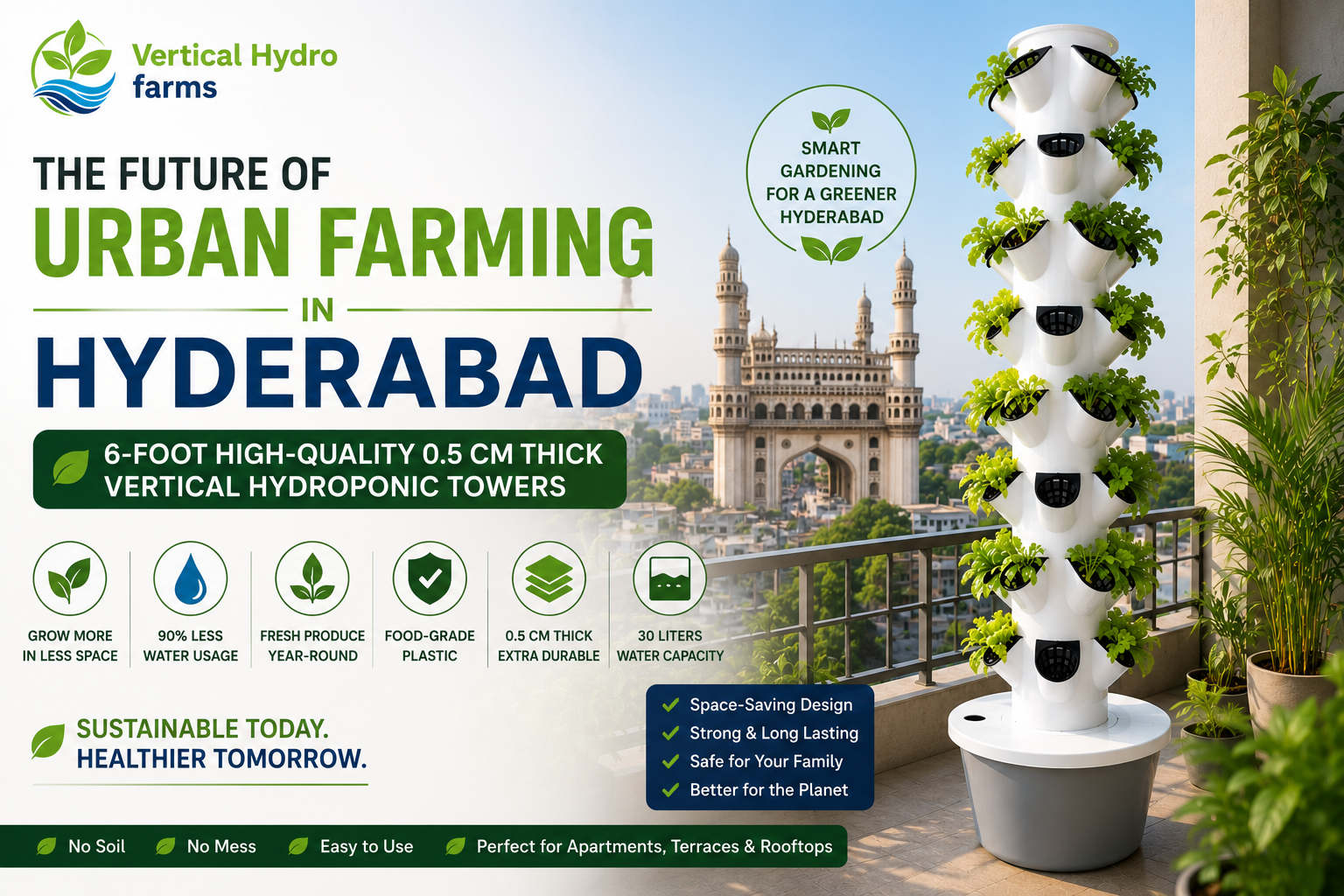
This is where vertical hydroponic towers are transforming urban agriculture. A 6-foot high-quality vertical hydroponic tower built with durable 0.5 cm thick food-grade plastic offers a practical, space-saving, and sustainable solution for growing fresh produce throughout the year.
The Rise of Urban Farming in Hyderabad
Urban farming is becoming increasingly popular among Hyderabad residents for several reasons:
- Growing awareness of healthy eating
- Rising concerns about pesticide residues
- Limited gardening space in apartments
- Interest in sustainable living
- Increasing food costs
Homeowners are looking for efficient ways to produce fresh vegetables without requiring large gardens, and hydroponic systems are emerging as the preferred solution.
What Is a Vertical Hydroponic Tower?
A vertical hydroponic tower is a soil-free growing system that uses nutrient-rich water to feed plants. Instead of spreading across large garden beds, plants grow vertically around a central tower.
This allows dozens of plants to be cultivated within a very small footprint, making hydroponics ideal for:
- Apartment balconies
- Rooftops
- Terraces
- Villas
- Indoor growing spaces
The vertical design maximizes productivity while minimizing space requirements.
Why a 6-Foot Tower Is Ideal for Urban Homes
More Growing Capacity
A 6-foot tower provides multiple planting levels, allowing homeowners to grow a larger number of vegetables compared to traditional pots.
Efficient Use of Space
In cities like Hyderabad, space is valuable. A vertical tower occupies only a small floor area while utilizing unused vertical space.
Suitable for Balconies and Terraces
Whether you live in a high-rise apartment or an independent home, a 6-foot hydroponic tower can fit comfortably into most residential environments.
The Importance of 0.5 cm Thick Construction
Many hydroponic systems available in the market use thin plastic materials that may become brittle over time.
A tower built with 0.5 cm thick plastic offers significant advantages:
Enhanced Durability
Thicker material provides greater strength and resistance to cracking, ensuring long-term performance.
Better Structural Stability
The tower remains stable even when fully loaded with plants and water.
Suitable for Outdoor Conditions
Hyderabad experiences intense summer heat and seasonal rainfall. Durable construction helps the tower withstand varying weather conditions.
Food-Grade Plastic for Safe Food Production
When growing edible crops, material quality matters.
Safe for Vegetables and Herbs
Food-grade plastic is specifically designed to prevent harmful substances from contaminating nutrient solutions.
Supports Healthy Plant Growth
Clean and safe growing conditions help produce healthier vegetables for daily consumption.
Long-Term Reliability
Food-grade materials maintain their quality over extended periods, making them ideal for hydroponic applications.
Large 30-Liter Reservoir for Better Performance
A quality hydroponic tower typically includes a 30-liter water reservoir.
Benefits include:
- Consistent nutrient circulation
- Reduced maintenance
- Fewer refills
- Stable plant growth
- Improved water efficiency
This makes hydroponic gardening convenient for busy homeowners and working professionals.
What Can You Grow?
A vertical hydroponic tower can support a wide variety of crops, including:
Leafy Greens
- Lettuce
- Spinach
- Kale
- Pak Choi
Herbs
- Mint
- Coriander
- Basil
- Parsley
Vegetables
- Cherry Tomatoes
- Green Chilies
- Spring Onions
- Fenugreek
Fresh produce can be harvested regularly, providing families with healthy ingredients directly from their homes.
Water-Efficient Gardening
Water conservation is becoming increasingly important across Indian cities.
Hydroponic systems use recirculating water technology, which can reduce water consumption by up to 90% compared to traditional soil gardening.
Benefits include:
- Less water wastage
- Lower water bills
- Sustainable food production
- Environmentally responsible gardening
Why Hyderabad Is Ideal for Hydroponic Farming
Hyderabad’s climate supports year-round plant growth, making it an excellent location for hydroponics.
Residents can enjoy:
- Continuous vegetable production
- Faster plant growth
- Better control over growing conditions
- Reduced dependence on seasonal availability
This makes hydroponics an attractive solution for modern urban households.
Environmental Benefits
Vertical hydroponic towers contribute to a greener future by:
- Conserving water
- Reducing transportation emissions
- Minimizing land requirements
- Encouraging local food production
- Supporting sustainable lifestyles
As cities continue to expand, these benefits become increasingly important.
The Future of Urban Farming
Urban farming is no longer just a hobby—it is becoming an essential part of sustainable city living.
Advanced hydroponic systems allow residents to produce fresh food efficiently, regardless of space limitations. As awareness continues to grow, vertical hydroponic towers are expected to become a common feature in apartments, terraces, and residential communities throughout Hyderabad.
Conclusion
The future of urban farming in Hyderabad lies in smart, space-efficient, and sustainable solutions. A 6-foot high-quality vertical hydroponic tower built with durable 0.5 cm thick food-grade plastic provides homeowners with an effective way to grow fresh vegetables while conserving water and maximizing space.
With a 30-liter reservoir, strong construction, and year-round growing capability, vertical hydroponic towers represent the next generation of home gardening and urban agriculture.